
A transcutaneous electrical nerve stimulation device delivers low-voltage electrical currents across the skin to interrupt pain signals traveling to the brain. This medical hardware provides non-invasive, drug-free pain relief for people dealing with chronic lower back pain, joint stiffness, nerve damage, and sore muscles. Instead of relying solely on oral medications, a benefit of tens unit therapy is that it targets discomfort locally without causing systemic grogginess or digestive issues.
Using an electric stim machine at home gives individuals immediate access to physical therapy techniques between clinic appointments. The portable design lets users manage flare-ups during sedentary work hours or after physical labor. Incorporating targeted nerve stimulation reduces muscle tightness, promotes local blood flow, and accelerates functional recovery.
How Transcutaneous Electrical Nerve Stimulation Interrupts Pain Pathways
A tens machine alters how the nervous system interprets acute and chronic discomfort through the gate control theory of pain. The device transmits mild electrical pulses through skin-contact electrodes, activating fast-conducting sensory nerve fibers. These pleasant sensory pulses reach the spinal cord before slower pain signals arrive, effectively closing the neural gate and stopping discomfort alerts from reaching the brain.
In addition to neural gating, sustained electric stim therapy prompts the central nervous system to produce endorphins. Endorphins serve as the body’s natural chemical analgesics, binding to opioid receptors to diminish overall pain perception. Adjusting the pulse frequency and duration allows the user to cycle between immediate surface numbing and deeper hormonal pain modulation.
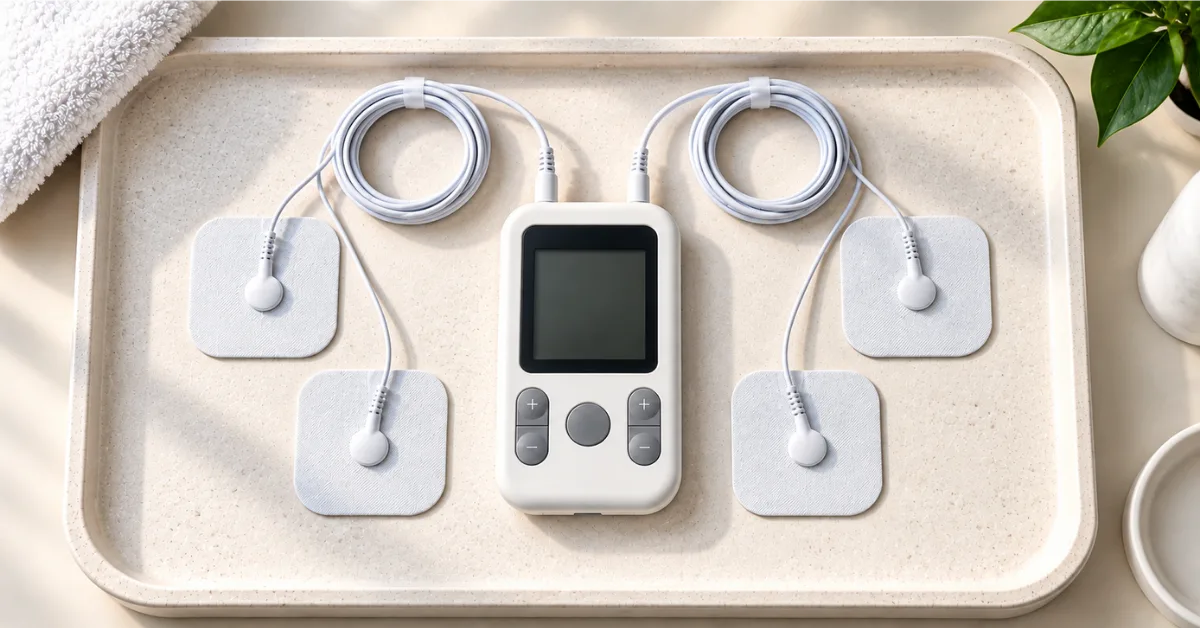
Clinical devices deliver these currents through dual channels, letting users manage two separate areas simultaneously. Modern portable pulse generators allow granular control over pulse rate and pulse width. This targeted control prevents sensory habituation, ensuring the nerve stimulation remains effective over long treatment sessions.
Technical Differences Between Analog Knob Controls and Digital Interfaces
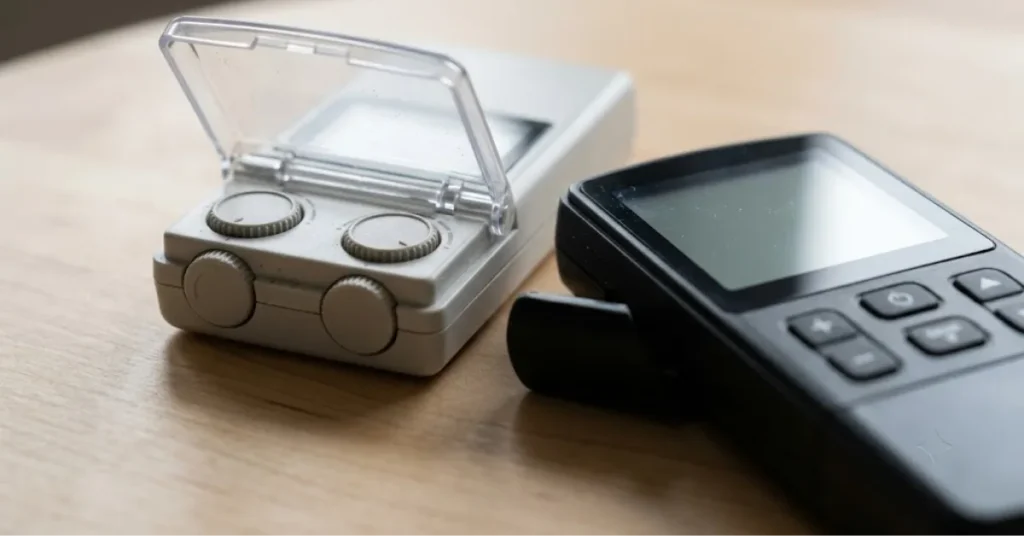
Shoppers evaluating electrotherapy hardware must decide between traditional analog dials and modern digital screens. Analog units feature physical rotary knobs protected under a flip-cover, allowing users to dial intensity up or down by tactile feel. Digital units feature push buttons and backlit liquid crystal displays that show numeric levels, active timer countdowns, and graphic battery meters.
A common misconception is that digital units deliver higher electrical strength than analog machines. In actual clinical performance, both hardware designs output identical peak current levels up to eighty milliamps. Analog models remain popular because they allow micro-adjustments without stepping through digital software menus. Digital models appeal to users who want exact numeric repeatability and automated therapy timers.
Key Differences Between TENS Devices and EMS Muscle Stimulation Units
Shoppers frequently confuse nerve stimulators with an ems machine because both systems utilize lead wires and adhesive skin pads. A tens ems comparison reveals that the two machines operate on fundamentally different physiological systems for distinct clinical goals. Discerning these technical differences ensures you select the correct equipment for your recovery plan:
- A TENS device targets sensory nerve fibers to suppress pain perception, whereas an ems unit stimulates motor nerves to force physical muscle contractions.
- Electrical muscle stimulation retrains weakened muscles, prevents disuse atrophy, and expels metabolic waste after athletic training.
- Nerve stimulation employs narrow pulse widths and higher frequencies to generate a light tingling sensation that leaves muscles relaxed.
- A combination tens and ems unit provides separate operating modes, letting users switch between pain relief and active muscle conditioning.
- Muscle stimulators require precise motor point placement to contract entire muscle bellies, while TENS pads surround the pain center to interrupt nerve paths.
Using an electrical muscle stimulator when you require nerve numbing will cause unwanted muscular fatigue. Conversely, running a mild sensory nerve current will not strengthen atrophied muscle tissue. Identifying your physical goals determines whether you need an analgesia device, a conditioning unit, or a hybrid machine.
Primary Types of Electrodes Used in Electrotherapy Applications
Selecting the correct electrode construction directly influences electrical conductivity, skin safety, and treatment depth during a stimulation session. Electrotherapy devices rely on four primary electrode styles to transfer current through the dermal barrier:
- Reusable hydrogel cloth pads remain the standard consumer choice, using a conductive woven fabric that contours across moving joints while medical-grade gel adheres directly to clean skin.
- Foam-backed carbon film electrodes provide a stiff, moisture-resistant barrier that prevents sweat from degrading current transmission across flat surfaces like the thoracic and lumbar spine.
- Pure silver mesh electrodes deliver ultra-low electrical impedance, distributing current evenly across the entire surface area to eliminate hot spots and stinging sensations.
- Conductive garment electrodes incorporate woven silver fibers into gloves, socks, or knee braces to provide systemic 360-degree stimulation for neuropathic extremities without sticky adhesive gels.
Standard hydrogel electrodes provide between ten and twenty reliable applications before skin oils and environmental exposure dry out the adhesive base. When treating large muscle areas, carbon film delivers a balanced, cost-effective charge, but patients with high dermal sensitivity benefit most from the lower impedance of silver-based designs.
How Electrode Pad Size and Fabric Materials Impact Current Density
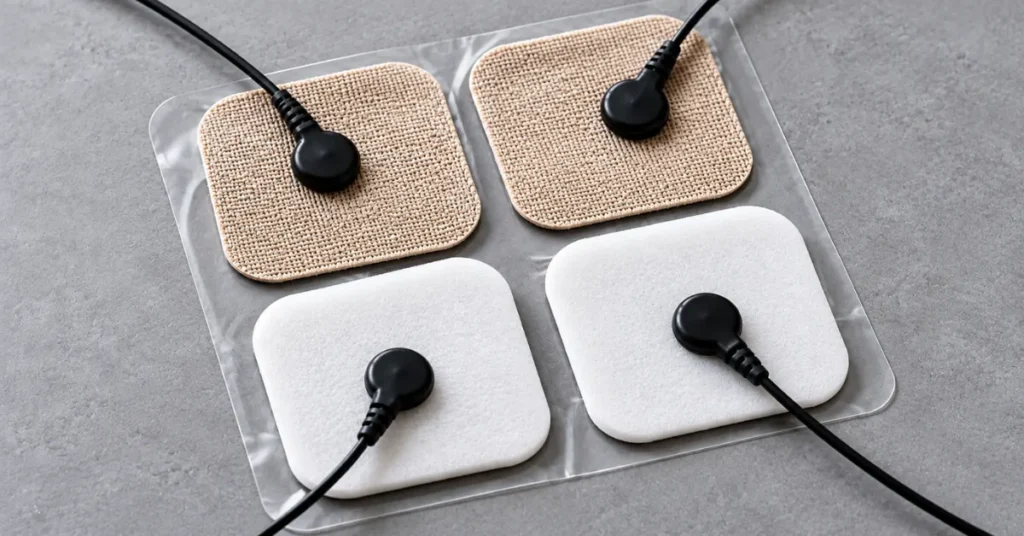
Electrode surface area directly dictates the concentration of electrical current entering the skin. Smaller two-by-two inch pads create a high current density, concentrating the electrical pulse into a tight area for isolated joint pain in the wrist, ankle, or elbow. Larger rectangular pads disperse the current across a wider footprint, lowering the sting sensation and treating large muscle sheets across the lower back, hamstrings, or shoulders.
Backing materials also determine how well electrodes stay attached during active movement. Flexible tan cloth electrodes stretch naturally over contoured, bending joints like knees and shoulders without peeling at the edges. Rigid foam electrodes offer moisture barriers against sweat during seated therapy on flat areas like the lumbar spine. For users with severe adhesive sensitivities or widespread arthritis, conductive silver fabric gloves and back garments deliver current across entire limbs without sticky gels.
Proper Pad Placement for Relieving Sciatica and Lower Back Pain
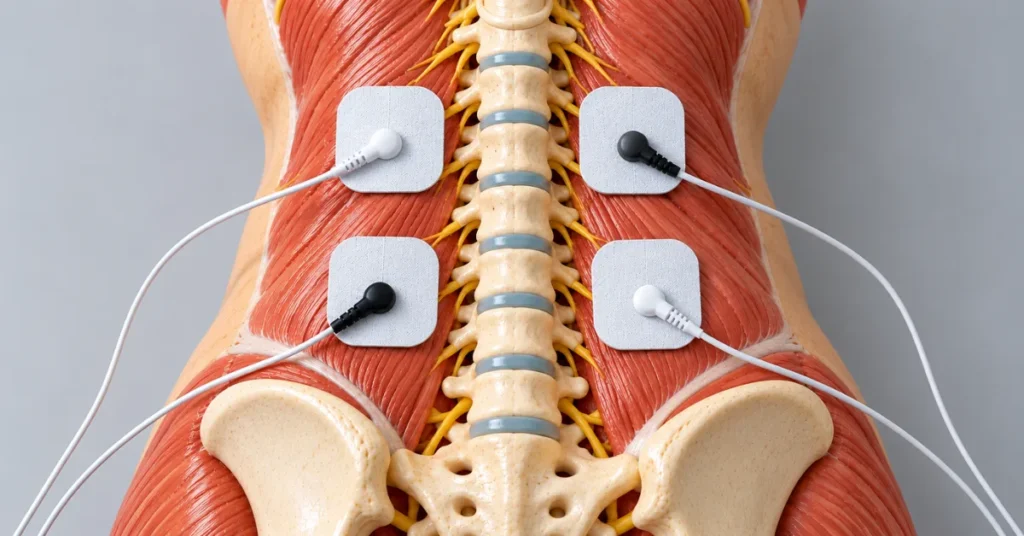
Achieving effective relief with tens for back pain depends entirely on accurate electrode positioning. Placing pads directly over bony structures like the spine diminishes electrical conductivity and causes skin irritation. Users must position the tens unit pads on the muscular soft tissue running parallel to the painful vertebrae.
For radiating lower back discomfort and sciatica, crossing channels provides the deepest electrical penetration. Channel one pads should sit at the top-left and bottom-right of the painful area, while channel two pads sit at the top-right and bottom-left. This crisscross layout creates an active treatment zone where the currents intersect beneath the skin surface.
Maintaining clean tens replacement pads ensures consistent electrical conductivity and prevents sudden stinging shocks. Natural skin oils, dust, and dry skin cells degrade the adhesive gel over time. Wiping the skin clean before application and sealing the electrodes inside airtight plastic sleeves preserves their conductive life for ten to twenty uses.
Safe Operating Rules for Personal Electrical Stimulation Therapy
Personal electrotherapy delivers exceptional relief when operated according to standard medical safety guidelines. Setting the current too high will cause intense muscle spasms or skin irritation rather than therapeutic pain relief. Users must slowly raise the intensity dial until they feel a strong yet comfortable tingling sensation.
Never place electrodes for tens unit treatments on the front of the neck, across the chest, or over open wounds. Applying current to the neck can affect the carotid sinus and disrupt normal blood pressure, while placing pads across the heart risks interfering with natural cardiac rhythms. Individuals with cardiac pacemakers or implanted electronic medical hardware must avoid electrical stimulation entirely.
Limiting individual treatment sessions to thirty or forty-five minutes prevents sensory habituation and protects the skin surface. Leaving moist electrode pads attached to the skin for hours without a break traps sweat and causes contact dermatitis. Alternating application zones throughout the week keeps the skin healthy and ensures the nerves remain receptive to stimulation.