
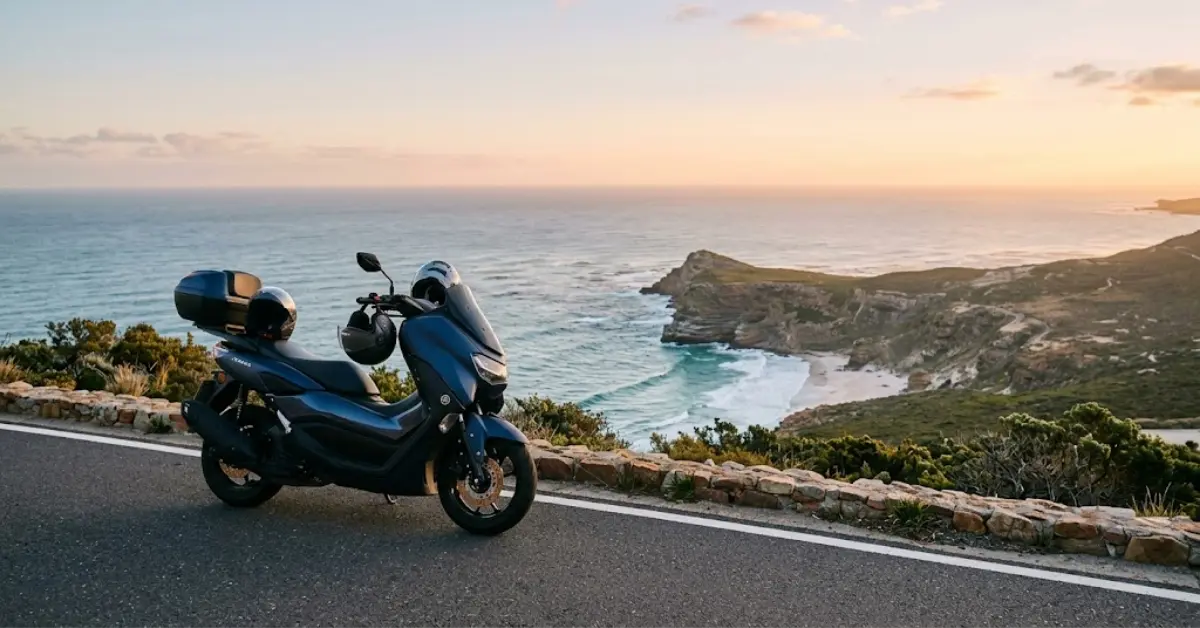
Renting a two-wheeler in Grenada gives you the freedom to reach secluded beaches, coastal roads, and mountain fishing villages on your own schedule. Local public minivans run strictly on fixed routes during daylight hours. In addition, private taxi fares across parishes add up quickly. Arranging a scooter and bike rental provides a budget-friendly, adaptable way to explore the island. This flexibility allows you to stop whenever you spot a roadside viewpoint or local fruit stall.
In Grenada, motorized bike rental services mainly feature automatic twist-and-go scooters alongside light motorbikes ranging from 125cc to 200cc. In addition, eco-friendly electric bikes and standard bicycles are available for short coastal trips. Understanding local paperwork, daily expenses, safety laws, and terrain will keep your trip safe and straightforward.
Why Choose Scooter and Bike Rental Services
Selecting a two-wheel vehicle over a standard rental car offers distinct practical advantages when navigating island roads.
- Lower Daily Costs: Daily rates for a scooter and bike rental in Grenada average between $35 and $45 USD. Weekly packages run between $200 and $225 USD. Fuel tanks are small and efficient. Therefore, five to seven dollars of gasoline easily covers a full day of riding.
- Hassle-Free Parking in Town Centers: Finding open car parking in downtown St. George’s or near Grand Anse Beach is difficult during peak hours. A compact two-wheeler lets you park easily in designated motorcycle bays and tight spots where standard cars cannot fit.
- Agile Handling on Mountain Inclines: The roads cutting through Grenada’s mountainous interior feature tight hairpin turns and narrow single-lane sections. A lightweight motorbike rental offers the maneuverability needed to navigate these corners comfortably.
- Direct Outdoor Travel: Cruising along coastal roads provides continuous ocean views and open-air travel. Consequently, the journey between destinations is just as memorable as the stops themselves.
Scooter Rental Companies in Grenada and Local Hubs
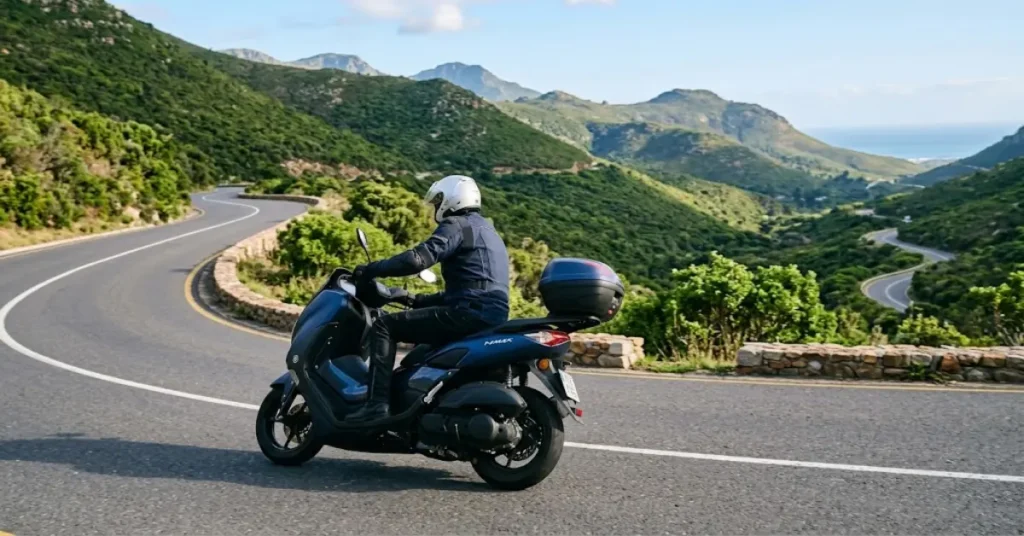
When looking for the best scooter rental options in Grenada, most authorized rental agencies operate around St. George’s, Grand Anse, and the Maurice Bishop International Airport corridor.
| Rental Provider | Primary Location | Vehicle Fleet Offered | Notable Services |
| Scooter Rental Grenada | St. George’s, Grand Anse | 125cc automatic scooters, mopeds | Free delivery to Grand Anse hotels and cruise port |
| Y&R Rentals | Grand Anse | 125cc to 150cc scooters, small cars | Flexible short-term bookings, roadside support |
| Grenada Urban E-Mobility | True Blue, St. George’s | Electric cargo bikes, e-scooters | Battery swap points, student and daily plans |
| BikesBooking Partners | Port of St. George’s, The Carenage | 115cc to 200cc scooters, light motorbikes | Online advance booking with verified insurance |
Where can I rent a scooter in Grenada? You can pick up vehicles directly upon arrival at the cruise ship terminal in St. George’s, arrange airport drop-offs, or request hotel delivery across the south coast hotel belt.
Where to Rent Bikes in Grenada Near Popular Tourist Spots
Finding pedal bicycles and e-bikes is straightforward if you stay near popular tourist hubs in the southern parish of St. George.
- Bike Rental Shops Near St. George’s Grenada: Outlets such as Grenada Urban E-Mobility in True Blue and bicycle repair shops near Green Street offer short-term rentals for recreational riding. These locations are convenient for exploring the south coast beaches and university grounds.
- Grand Anse and Beach Corridors: Several beachfront activity operators and resort desks rent hybrid bikes and beach cruisers for touring the flat coastline between Grand Anse Beach and Morne Rouge.
- Mountain Biking Trails: For off-road trail riding in Grand Etang National Park, book specialized mountain bikes through local adventure tour operators. These packages usually include an experienced trail guide and safety gear.
Scooter vs Motorbike Rental Specifications
Grenada is not flat. The island rises rapidly from sea-level coastal roads to elevated interior rainforests. Therefore, choosing the right vehicle and engine displacement depends on your planned routes and passenger weight.
| Vehicle Category | Engine Displacement | Best Suited For | Ideal Terrain |
| E-Bike or Pedal Bicycle | Electric Assist or 21-Speed | Short beach hops, fitness riders | Flat coastal strips, Grand Anse |
| Standard Scooter | 125cc | Solo travelers, short trips | Paved coastal highways, town centers |
| Mid-Size Scooter | 150cc | All-around touring, moderate hills | Island loops, secondary paved roads |
| Light Motorbike Rental | 150cc to 200cc | Experienced riders, two passengers | Steep mountain passes, Grand Etang rainforest |
Automatic scooters with 125cc to 150cc engines remain the standard choice for most visitors. This popularity is due to their straightforward twist-and-go operation and lockable under-seat storage compartments. However, for steep mountain elevations with a passenger, a 200cc scooter or a light motorbike provides the necessary horsepower to climb without straining the engine.
Affordable Scooter Rental Rates in Grenada and Weekly Costs
Rental rates on the island are competitive, but prices vary depending on seasonal demand and rental duration.
- Daily Rates: A standard 125cc scooter costs between $35 and $45 USD per day. Electric bikes generally rent from $30 USD per day.
- Cost of Renting a Scooter for a Week in Grenada: Weekly rentals range from $200 to $225 USD, offering a solid discount over daily rates.
- Security Deposits: Most rental agencies place a temporary hold of $200 to $400 USD on your credit card. This deposit is released once the vehicle is returned without damage and with a full fuel tank.
Legal Requirements and Driving Permits in Grenada
Grenada enforces clear regulations regarding who can legally operate motorized vehicles on public roads. Rental shops are required by the Royal Grenada Police Force to verify your credentials before releasing a vehicle.
- Minimum Age: You must be at least 21 years old and hold a clean driving record.
- Driver License: You must present a valid, unexpired national driver license from your home country. An International Driving Permit is helpful if your license is in a non-Latin script. However, your primary home license remains the main legal document.
- Grenada Visitor Driving Permit: Foreign visitors cannot operate a motorized vehicle on public roads using only a home license. You must purchase a temporary local driving permit for EC$60 (approximately $22 USD). It remains valid for three months across Grenada, Carriacou, and Petite Martinique. Rental agencies issue this permit on-site during vehicle handoff.
- Requirements for Renting a Bicycle in Grenada: Non-motorized pedal bicycles and pedal-assist e-bikes do not require a Grenada driver permit or a national motor license. You only need a valid passport ID and a refundable cash or credit card deposit.
- Are Helmets Provided with Scooter Rentals in Grenada: Yes, authorized rental companies provide certified safety helmets free of charge or for a nominal fee. Both the rider and passenger must wear a secured helmet at all times by law.
Road Rules and Safety Advice
Traffic habits and road infrastructure in Grenada may differ from what you encounter back home. Keeping these standard practices in mind will keep you safe on the road.
Drive on the left side of the road at all times. Be mindful when pulling out of driveways, fuel stations, and multi-lane roundabouts to ensure you stay in the correct lane. Speed limits are set at 32 km/h (20 mph) in towns and residential zones, and up to 64 km/h (40 mph) along open coastal stretches.
Watch for road surface hazards on secondary routes. Common hazards include potholes, loose gravel, and deep concrete drainage trenches running along the shoulders. Give two short taps of your horn when approaching sharp blind turns on mountain corridors to alert oncoming drivers. In addition, avoid night riding on rural paths where streetlights are rare and wandering livestock is common.
Recommended Two-Wheel Routes Across the Island
A reliable rental bike allows you to explore multiple regions in a single day without being tied to tour schedules.
- The South Coast Beach Circuit: This route runs from St. George’s down to Grand Anse Beach, Morne Rouge Beach, and Lance aux Epines. The roads along this corridor are flat, well-paved, and simple to navigate, making it ideal for your first day.
- The Rainforest and Waterfalls Loop: Heading inland from St. George’s takes you through Annandale Falls up to Grand Etang National Park. This drive offers cooler mountain air and lush scenery. A 150cc scooter handles these elevation gains smoothly.
- The West Coast Heritage Highway: Ride north from St. George’s along the Caribbean coastline to Concord Falls, Gouyave, and Victoria. This coastal stretch delivers sweeping ocean views, working nutmeg processing stations, and traditional fishing communities.
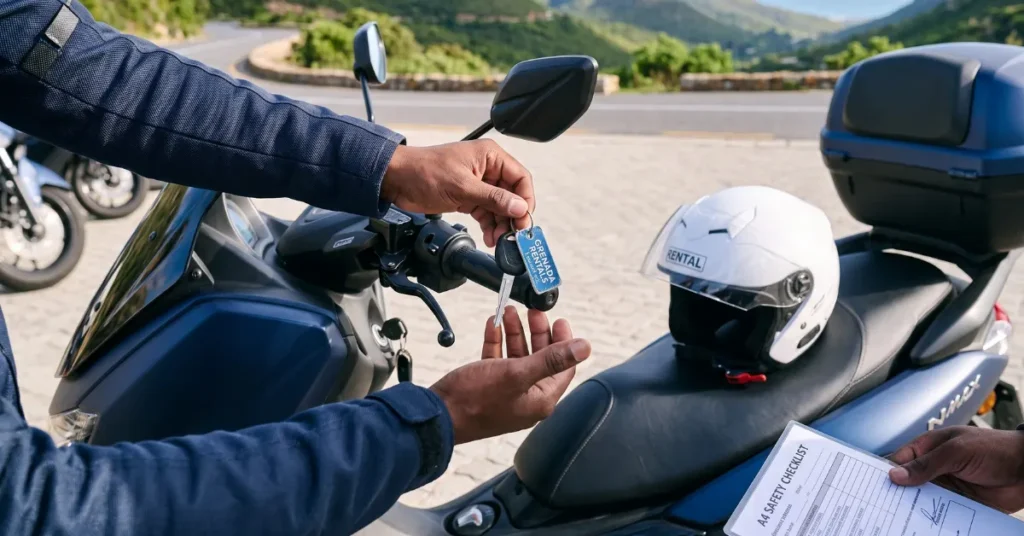
Five-Point Pre-Ride Inspection Checklist
Always complete a quick inspection before driving away from the rental station.
- Document Existing Cosmetic Wear: Walk around the bike and take clear photos of any pre-existing scratches or paint chips alongside the rental agent.
- Test Both Brake Levers: Ensure both front and rear hand brakes engage firmly without pulling all the way back to the handlebar grip.
- Verify Lighting and Horn: Check the headlight, taillight, turn signals, and horn operation.
- Examine Tire Tread Depth: Make sure both tires have visible tread depth for dependable traction on wet asphalt.
- Record Roadside Assistance Numbers: Save the rental provider’s direct dispatch and WhatsApp numbers in your phone for fast support.