

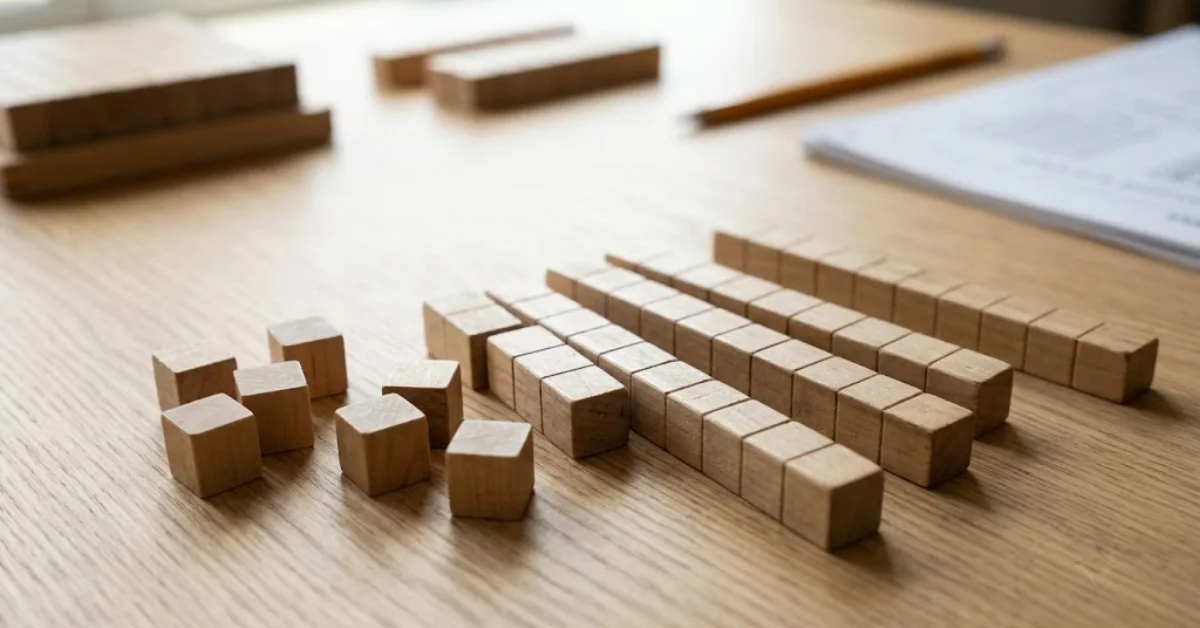
Positional values dictate everything in our written system, turning a small handful of basic digits into infinite quantities. Our number framework relies on where a numeral sits to determine its true size, separating individual counts from larger groupings. Moving one space to the left increases a digit’s value tenfold, while moving to the right diminishes its scale. Knowing these positional rules is the foundational key to mental arithmetic, vertical calculation, and handling complex math concepts without confusion.
A clear grasp of place value lets you confidently manage multi-digit numbers, decimals, and basic math calculations. Every digit in a number has its own place, and each position corresponds to a specific value. Learning to navigate these columns from ones and tens to thousands and even decimals helps students calculate with ease and make sense of numbers in everyday life.
What Is a Place Value Chart and How Does It Organize Numbers
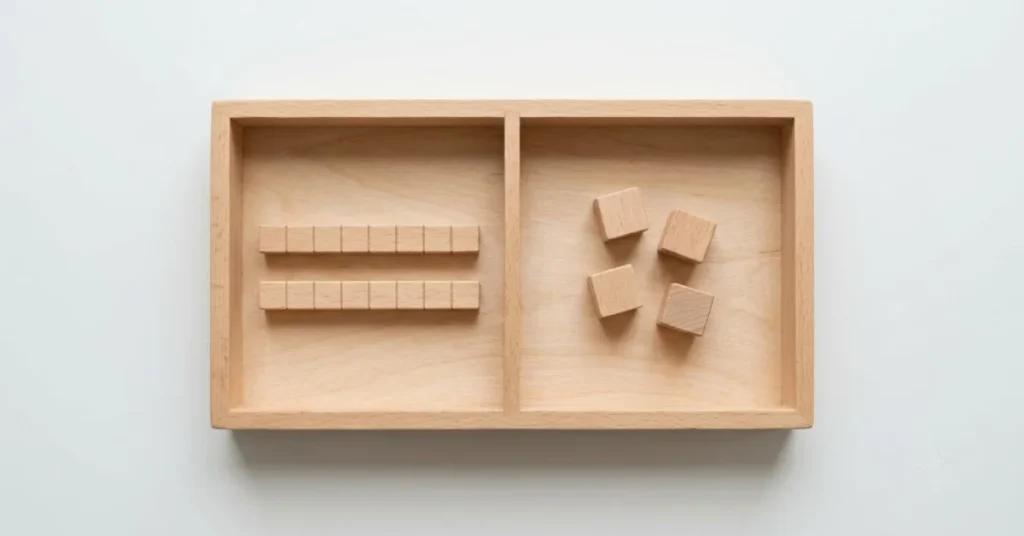
A place value chart is a visual grid that separates multi-digit integers into their individual positional columns to make their size easy to calculate. Human counting is historically base-ten, meaning it utilizes only ten unique symbols from zero to nine to represent every imaginable quantity. To create numbers larger than nine, you must group counts into columns that increase in value by a factor of ten each time you move left.
The basic placement value chart uses these horizontal channels to assign specific weight to each numeral. A single digit means one thing in the right-hand lane but means ten times as much when placed in the next spot to the left. The layout provides an ongoing structural pattern where the base number ten multiplies by itself with every step to the left.
Using a place and value chart stops calculation mistakes because it visually locks every numeral into its correct column. Tutors and educators use these charts to help students visualize the exact gap between small amounts and large numbers. When you write a number on this grid, each digit sits in its own box, indicating its place and how much that position is worth.
Positional Hierarchy Across Ones Tens Hundreds and Thousands
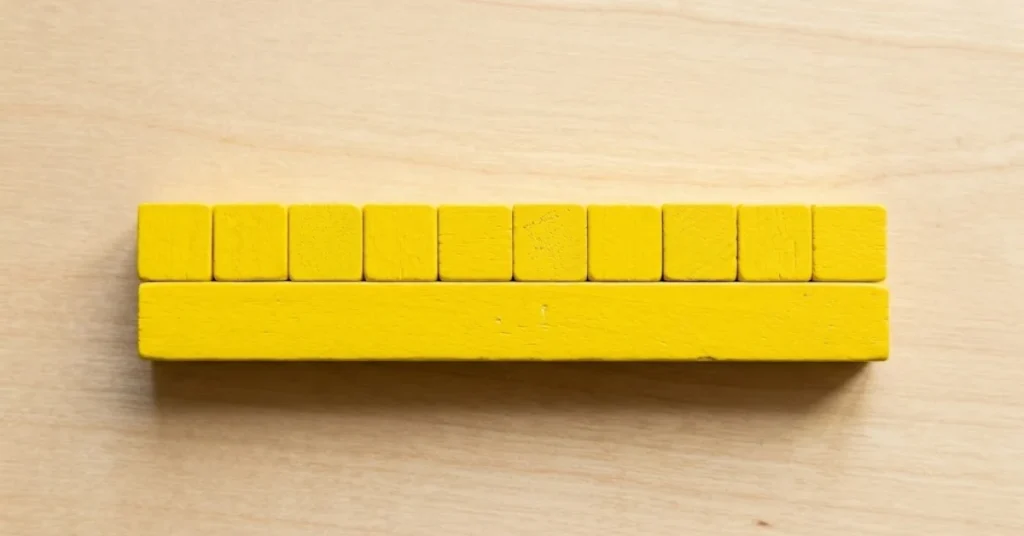
The whole-number side of our numbering system expands leftward starting from the right-hand corner. The ones tens and hundreds columns form the initial group of place values, followed by the thousands and ten thousands. Every digit on this side of the chart represents a whole quantity, built from base-ten groupings that accumulate as numbers grow.
The tens and ones places represent the first two positions, handling values from zero up to ninety-nine. In any multi-digit number, the rightmost spot holds the tens and ones that are not yet grouped into hundreds. For instance, the number thirty-seven is simply three tens and seven ones, where the three represents thirty and the seven holds its face value.
Moving left, the ones tens and hundreds columns manage three-digit values, which then transition into the thousands. This progression continues across the following places:
- The ones column on the far right counts single items from zero to nine.
- The tens column to its left tracks groups of ten, where a 3 means thirty.
- The hundreds column tracks groups of one hundred, where a 5 means five hundred.
- The thousands column counts groups of one thousand, such as four thousand.
- The ten thousands and hundred thousands columns track even larger whole numbers.
This ones tens hundreds thousands structure repeats in groups of three, allowing the system to represent infinite values. Whether writing a small number or measuring large numbers, aligning digits within these precise positions is critical. Without these standard pathways, comparing numbers or executing vertical addition becomes impossible.
Defining Decimal Place Value and the Right Hand Columns
The decimal place value system extends the base-ten pattern to the right of the decimal point to show parts of a whole. A decimal point separates whole numbers on the left from fractional values on the right, keeping the system unified. Each column on this right-hand side represents a division by ten, decreasing in value as you move further right.
The decimal place value chart begins immediately to the right of the decimal point with the tenths column, which represents one-tenth of a single unit. Because the pattern continues dividing by ten, the next position is the hundredths place, followed by the thousandths place. Each step to the right makes the values smaller, with each digit representing a tighter fraction of a whole.
When calculating value and place value of decimals it is vital to keep this fraction-based pattern in mind. A digit in the tenths place is ten times larger than the same digit in the hundredths place. Proper positional alignment on a decimal chart ensures you can accurately evaluate parts of a whole, such as currency cents or high-precision measurements.
How to Use Expanded Form Numbers to Break Down Values
Writing expanded form numbers breaks a value apart to show the exact contribution of each positional digit. In normal standard form, the digits sit side-by-side, leaving the reader to infer their weight from their positions. Expanded form writes out the full mathematical value of each position, adding them together to show the total sum.
Consider the three digit number four hundred fifty-eight, which is standard form. In expanded form, you write this as four hundred plus fifty plus eight, separating the hundred, the tens, and the ones. This exercise makes it clear that the 4 represents four hundred, the 5 represents fifty, and the 8 represents eight units.
Breaking down three digits or larger numbers this way highlights the structural math behind everyday values. Expanding numbers is a primary tool for math tutoring, helping students see that numbers are composite groups of different sizes. It acts as a bridge between simple counting and complex vertical calculations.
The Role of Place Value Blocks in Base Ten Math Games
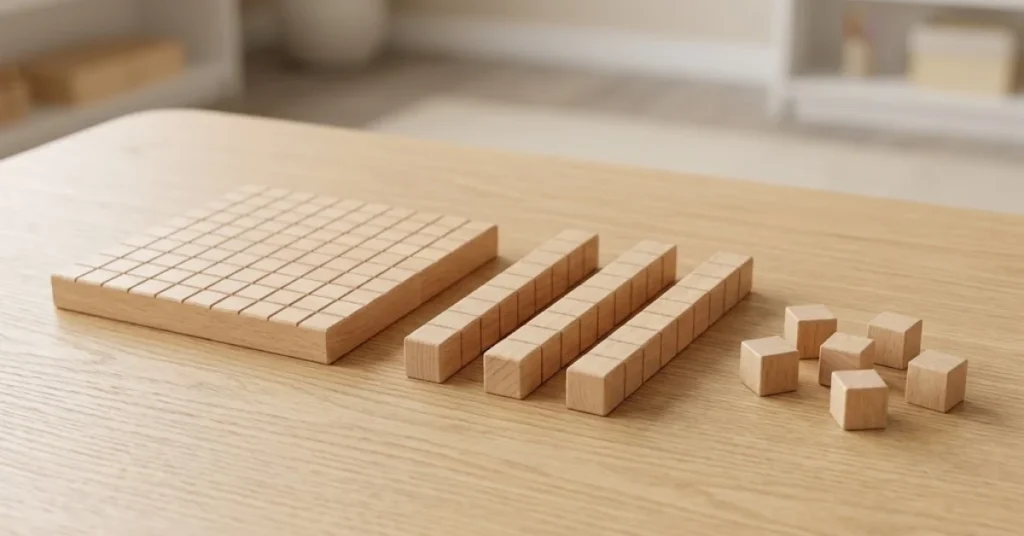
Tactile learning tools like place value blocks help translate abstract numbers into tangible, visible groups. These hands-on materials, often used in place value games, give students a physical sense of how our number system builds on tenfold scaling. Handling these objects helps learners see how individual units merge to make larger blocks.
Using base tens blocks, students can touch a tiny single cube, which represents one, and compare it to a ten-rod. They can see that ten rods fit perfectly onto a flat hundred-square, and ten hundred-squares stack to form a thousands cube. This visual experience makes regrouping and place-value trading clear and memorable.
Integrating these blocks into a math program turns positional rules into a game of building and trading. Students can physically move blocks on a table to represent standard numbers or execute subtraction trades. This physical practice builds a strong mathematical foundation, making abstract columns on a chart intuitive and understandable.
Comparing Large Numbers and Decimal Values Using Positional Rules
Positional math is the only way to quickly compare the size of different numbers, whether they are whole or decimal. When comparing two values, you start with the largest column on the left and check the digits there. The number with the higher digit in that leftmost place is automatically the larger amount, regardless of the other digits.
When you compare number sizes, aligning the digits in their correct columns is the first step. For example, if you compare five hundred forty and six hundred twelve, you look first at the hundreds place. Since six is greater than five, six hundred twelve is the larger number, and you can show this using the greater than symbol.
This same rule applies to decimal values, though you must take care to align them by the decimal point. When comparing decimals, you inspect the tenths place first, then the hundredths, moving left to right. This systematic, column-by-column evaluation ensures you always identify the true size of any numeric value.